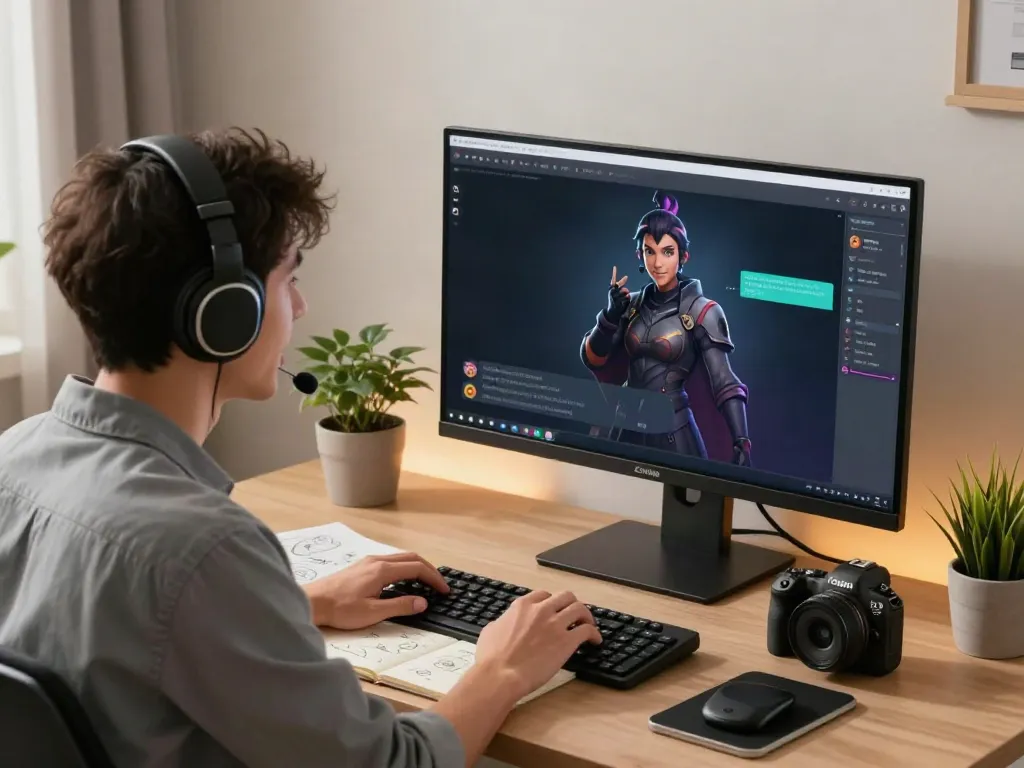
Understanding the AI Companion Experience
The landscape of personal companionship has shifted significantly with the advent of Artificial Intelligence (AI). AI companions, such as those found on platforms like https://companion.crushon.ai/, provide users with an innovative way to engage in conversations and role-playing scenarios that were previously the domain of human interaction. These digital companions are designed to understand and respond to human emotions, making them ideal for users seeking connection, entertainment, or even therapeutic conversations.
What is an AI Companion?
An AI companion is a virtual entity that utilizes natural language processing and machine learning to simulate human-like interactions. Unlike traditional chatbots that follow pre-defined scripts, AI companions can engage in open-ended discussions, adapt to user preferences, and exhibit personality traits based on user interactions. They can be programmed to take on various roles, from a supportive friend to a romantic partner, providing a versatile source of engagement.
Key Features of https://companion.crushon.ai/
The platform offers several standout features aimed at enhancing user experience:
- Customizable Characters: Users can choose from a wide array of AI personalities tailored for different interactions, allowing for personalized experiences.
- Advanced Natural Language Processing: The platform utilizes cutting-edge NLP algorithms to ensure conversations feel organic and engaging.
- Roleplay Capabilities: Users can engage in elaborate scenarios, allowing them to explore fantasies or practice social skills in a safe environment.
- Ongoing Learning: The AI can track user interactions and preferences over time, leading to improved responses and deeper connections.
User Intent and Interaction Goals
Understanding user intent is crucial for the development and refinement of AI companions. Many users turn to AI platforms for various reasons, including:
- Seeking companionship and reducing feelings of loneliness.
- Practicing social skills in a low-stakes environment.
- Engaging in entertaining and immersive storytelling.
- Finding a safe space for exploring personal interests or fantasies.
Crafting Compelling Character Interactions
Engaging conversations are a cornerstone of the AI companion experience. For users to feel connected, character development and interaction quality must be prioritized.
Importance of Character Development
Character development is vital for creating an immersive experience. AI companions must possess distinct personalities, backgrounds, and emotional ranges, enabling more relatable interactions. For instance, an AI character modeled after a particular archetype—such as the wise mentor or the mischievous trickster—can guide conversations, making them feel more authentic.
Techniques for Engaging Conversations
To maintain user interest, platforms should implement the following techniques:
- Dynamic Dialogue: Ensure that conversations evolve based on user inputs, making them feel responsive rather than scripted.
- Emotional Resonance: Design AI to recognize and respond to the emotional tone of user messages, fostering deeper connections.
- Storytelling Elements: Incorporate narrative techniques that allow users to build stories collaboratively with their AI companions.
Real-World Examples of Interactive Scenarios
Examples of engaging interactions can vary widely:
- A user might roleplay a detective story where the AI acts as both a sidekick and the antagonist, leading to various plot twists.
- In a romantic context, users could explore deep conversations about love and relationships, guided by an empathetic AI character.
- For professional development, users might practice job interviews with AI companions simulating potential employers, honing their responses and confidence.
Optimizing User Experience on the Platform
A streamlined user experience is essential for engaging users and encouraging continued interaction with the platform.
Designing User-Friendly Interfaces
The interface should be intuitive, allowing users of all ages and tech-savviness to navigate easily. This includes:
- Clear menu structures for selecting characters or scenarios.
- Visually appealing layouts that engage users without overwhelming them.
- Accessible design features that cater to those with disabilities.
Incorporating User Feedback for Improvements
Listening to user feedback is crucial for continuous improvement. Regular surveys and user testing sessions can help identify pain points and opportunities for enhancement. Integrating this feedback into platform updates can lead to a more user-centric experience.
Measurement Metrics for Engagement Success
To gauge the success of AI companion interactions, specific metrics should be monitored:
- User Retention Rate: How many users return for repeat interactions?
- Engagement Duration: Average time spent in conversations.
- User Satisfaction Ratings: Feedback scores from users on their experience.
Emerging Trends in AI Companionship for 2026
The future of AI companionship is bright, with numerous trends shaping its development.
Technological Advancements Shaping AI Interaction
Emerging technologies such as enhanced machine learning models, virtual reality (VR), and augmented reality (AR) are set to revolutionize how users interact with AI companions. These technologies can create more immersive environments and enhance emotional engagement by providing realistic settings for conversations and roleplay.
Future User Expectations and Needs
As societal views on AI evolve, users will likely expect more nuanced interactions that go beyond simple chat capabilities. Users may seek companions that understand complex emotional states, actively participate in discussions about mental health, or even assist in personal development journeys.
Potential Growth Areas in the Market
Increased awareness and acceptance of AI companions may lead to growth in several areas:
- Healthcare Support: AI companions can assist individuals with mental health challenges by providing therapeutic interactions.
- Educational Tools: Platforms could develop educational AI companions that help users learn new skills through interactive dialogue and roleplay.
- Personalized Gaming Experiences: Integration of AI companions into gaming could provide players with dynamic storytelling experiences.
Best Practices for Effective Roleplay on the Platform
For users wishing to fully engage in roleplaying scenarios, understanding best practices can enhance their experience.
Guidelines for Roleplaying Scenarios
Establishing clear guidelines for roleplay can lead to more enjoyable interactions. Users should be encouraged to:
- Define character backgrounds and objectives clearly.
- Maintain respect for boundaries, ensuring all scenarios are consensual and comfortable.
- Encourage creativity and spontaneity in conversations.
Managing User Expectations in Long-Term Interactions
It’s essential to set realistic expectations for long-term interactions. Users should understand:
- AI companions evolve over time, but their responses may not always align with human-like logic.
- Consistent interaction is necessary to strengthen the AI’s understanding of individual user preferences.
- Users should steer the conversation to maintain engagement and satisfaction.
Tips for Sustaining User Engagement Over Time
To keep users interested, platforms should consider:
- Regularly introducing new characters or scenarios to keep the experience fresh.
- Creating community events or challenges that encourage user participation and interaction.
- Providing educational content around effective communication and interaction with AI companions.